BIGSTORY Network


International News Feb. 10, 2026, 7:11 p.m.

Bangladesh Just Signed a "Subscription Plan" With the US Economy

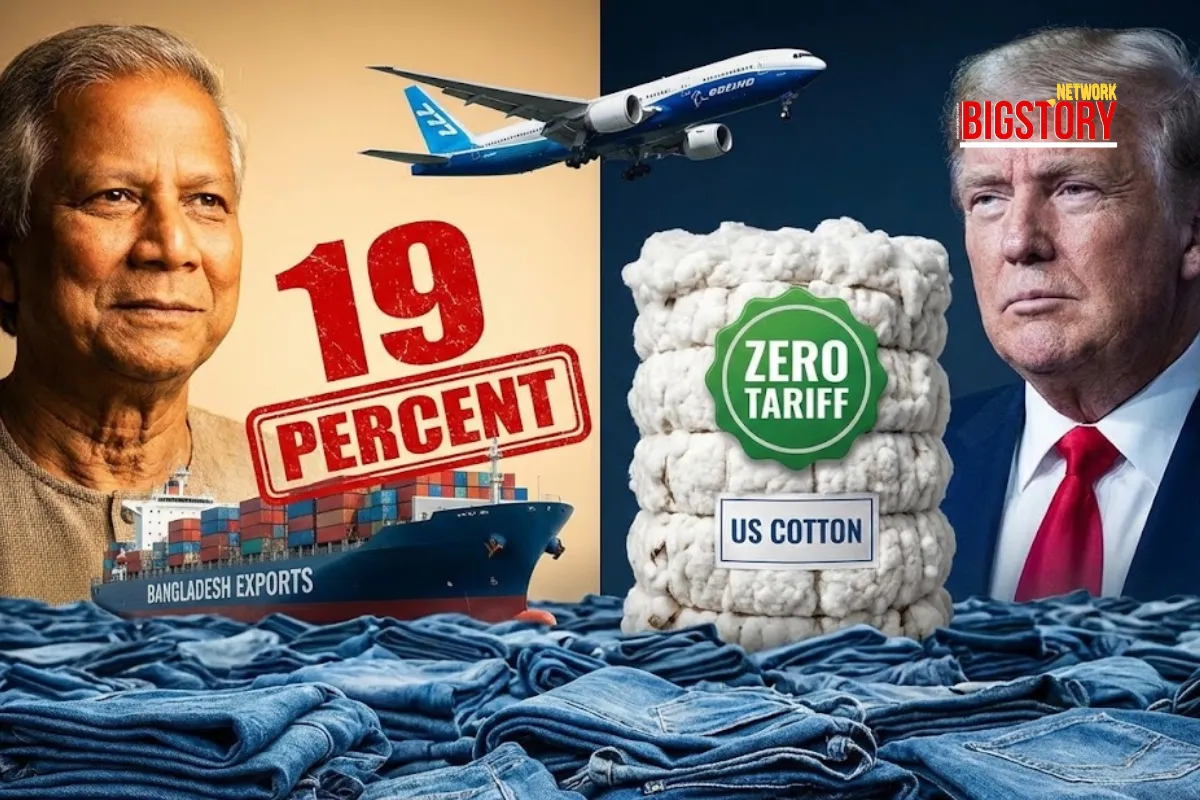
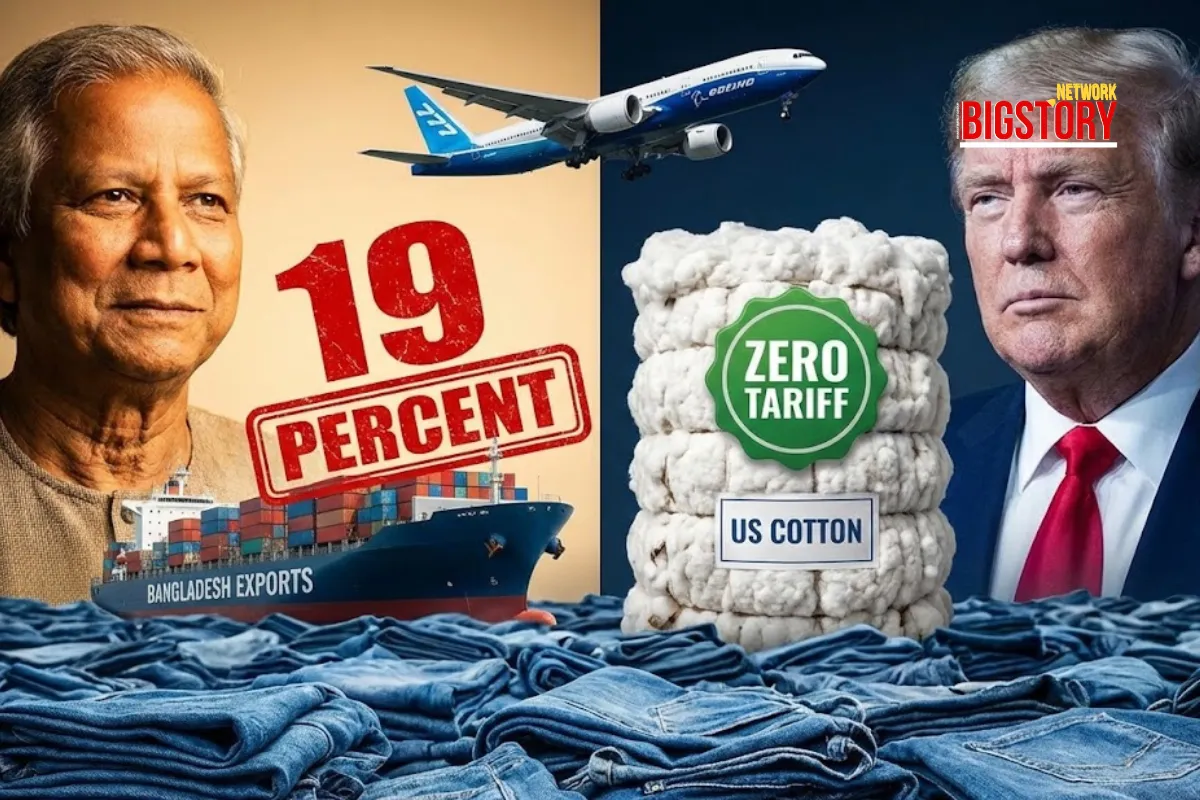
Bangladesh secures a 19 percent reciprocal tariff deal with the US, featuring a zero-tariff loophole for garments made from US cotton, finalized 48 hours before the 2026 elections.
by Author Sseema Giill
Hero Image

Just 48 hours before Bangladesh heads to a historic general election, Interim Chief Adviser Muhammad Yunus has delivered what his administration calls a "diplomatic masterstroke." As reported by The Hindu and LiveMint, the US has formally reduced its reciprocal tariff on Bangladeshi goods to 19 percent, down from a previous 20 percent and a punishing 37 percent proposed in early 2025.

This matters because the deal isn't just about a 1 percent cut; it introduces a "Sovereign Loophole"—garments produced in Bangladesh using US-origin cotton and man-made fibers will receive zero reciprocal tariff. For a country where ready-made garments (RMG) account for 80 percent of export earnings, this creates a massive incentive to swap Chinese and Indian raw materials for American ones.

The BIGSTORY Angle (The Reframe)

While the mainstream media frames this as an "Election Gift," the real BIGSTORY is The Cotton Subscription. The "Zero Tariff" clause is a textbook example of supply chain capture. By tying the tax break to US-origin materials, Washington has effectively turned Bangladeshi factories into downstream processors for American cotton farmers. Bangladesh gets the sale, but the US captures the input. This isn't just aid; it’s a strategic pivot that forces Dhaka to divest from Indian and Chinese cotton supply chains if it wants to remain competitive in its largest export market.

The Context (Rapid Fire)

  • The Trigger: The final signing of the United States-Bangladesh Agreement on Reciprocal Trade in Washington D.C. on February 9, 2026.
  • The Backstory: In April 2025, President Trump imposed a 37 percent reciprocal tariff on Bangladesh to address trade imbalances. The Yunus administration spent nine months negotiating this down through massive commercial commitments.
  • The Escalation: The deal includes a 15-year, 15 billion dollar commitment to buy US energy (LNG) and significant purchases of US agricultural products like wheat and soybeans.

The Chessboard (Key Players)

  • Muhammad Yunus: Used his personal global standing to negotiate directly with the White House, securing a deal that his critics say "ties the hands" of the incoming elected government.
  • Jamieson Greer (USTR): The enforcer of the Trump administration’s reciprocal trade policy who secured market access for US cars, medical devices, and Boeing aircraft.
  • Sheikh Bashir Uddin: The Bangladesh Commerce Adviser who signed the pact, ensuring Bangladesh remains "neck-and-neck" with regional competitors like Pakistan (19 percent).

The Implications (Your Wallet & World)

  • Short Term: A massive political boost for the Yunus administration's credibility right before the February 12 polls. Garment factory owners are expected to immediately shift orders to US cotton suppliers to qualify for the zero-tariff mechanism.
  • Long Term: Bangladesh’s national carrier, Biman Bangladesh Airlines, will face significant debt servicing as it begins acquiring 25 Boeing aircraft. The "US Cotton" requirement could also increase production costs initially, as US cotton is often more expensive than Indian or local varieties.

The Steel Man (The Counter-Argument)

Critics, including economists like Anu Muhammad, argue that the "secrecy" and "urgency" of the deal—signed just 72 hours before an election—undermine democratic debate. However, the "Stability Argument" is the strongest counter: had the deal not been signed now, the 37 percent tariff could have returned, leading to a total collapse of the RMG sector and mass unemployment. Proponents argue that "subordinating" the supply chain to the US is a small price to pay for preventing an economic heart attack. (Source: Swadesh News / Prothom Alo)

The Closing Question

Is the 19 percent trade deal a diplomatic victory for Bangladesh, or has the country traded its supply-chain independence for an election-week headline? Share your take in the comments.

FAQs

  • Q: What is the new US tariff on Bangladesh garments in 2026?
  • A: According to the agreement signed on February 9, 2026, the general reciprocal tariff is 19 percent. However, garments made with US cotton or man-made fibers can qualify for a zero reciprocal tariff.
  • Q: Did Bangladesh buy Boeing planes for a trade deal?
  • A: Yes. As part of the broader trade negotiations to lower US tariffs, Bangladesh has committed to purchasing 25 Boeing aircraft, with a projected cost of approximately 30,000 to 35,000 crore Taka.
  • Q: When is the Bangladesh general election 2026?
  • A: The national elections are scheduled for Thursday, February 12, 2026, under the supervision of the Muhammad Yunus-led interim government.

Sources: The Hindu, LiveMint, White House Briefing

Sseema Giill
Sseema Giill Founder & CEO

Sseema Giill is an inspiring media professional, CEO of Screenage Media Pvt Ltd, and founder of the NGO AGE (Association for Gender Equality). She is also the Founder CEO and Chief Editor at BIGSTORY NETWORK. Giill champions women's empowerment and gender equality, particularly in rural India, and was honored with the Champions of Change Award in 2023.

BIGSTORY Trending News! Trending Now! in last 24hrs
The "Zero Tolerance" Trap: Why an MP was Pepper-Sprayed in Sydney Last Night
International News
The "Zero Tolerance" Trap: Why an MP was Pepper-Sprayed in Sydney Last Night
Bangladesh Just Signed a "Subscription Plan" With the US Economy
International News
Bangladesh Just Signed a "Subscription Plan" With the US Economy
"Over For Now": The Real Reason the US-Iran Talks in Oman Just Paused
International News
"Over For Now": The Real Reason the US-Iran Talks in Oman Just Paused
Trump Sends "Armada" to Iran: "Deal or Face Midnight Hammer 2.0"
International News
Trump Sends "Armada" to Iran: "Deal or Face Midnight Hammer 2.0"